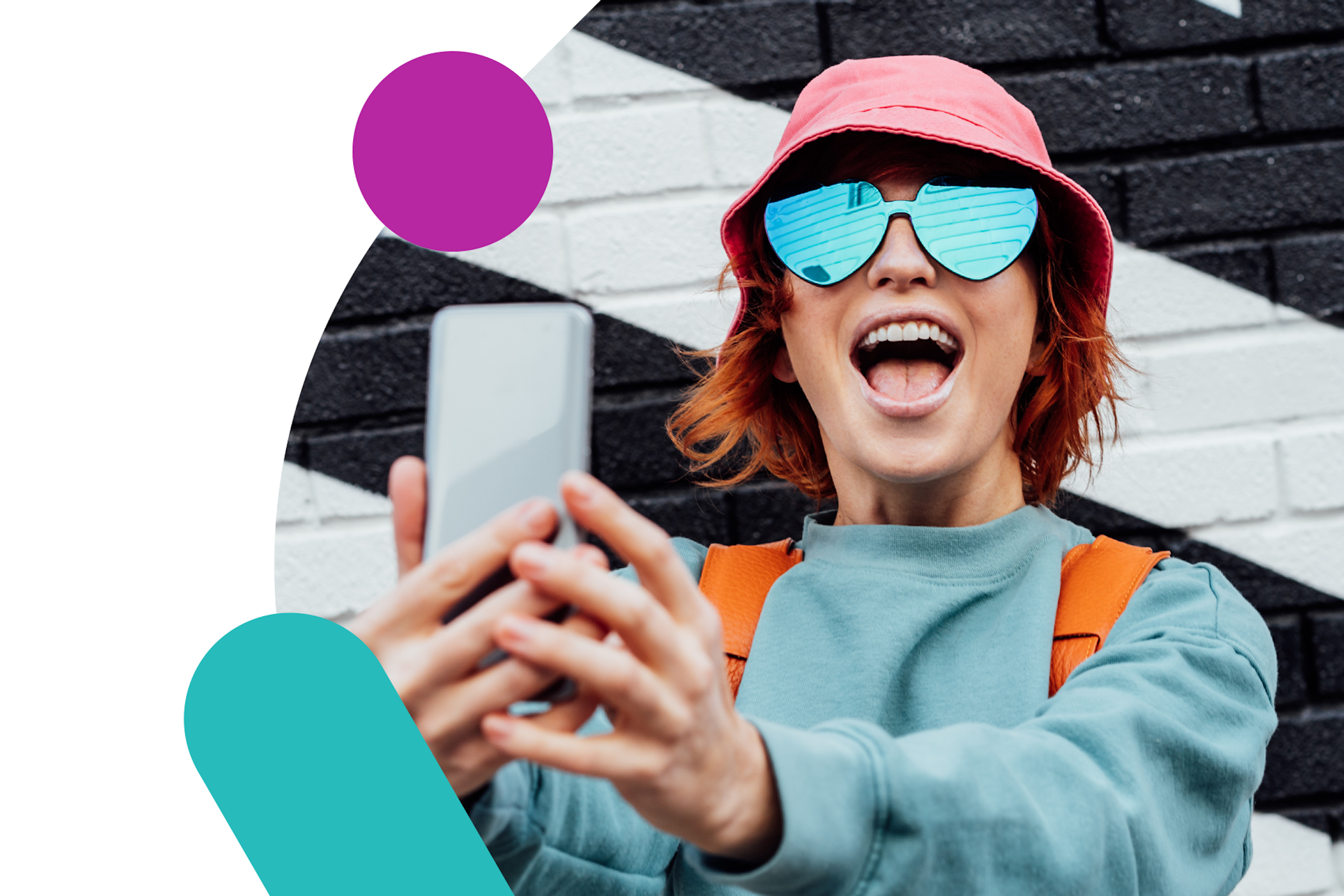
Influencer marketing is no longer a fad or outlier in the marketing world — it’s a cornerstone of modern digital strategy. What started as everyday creators sharing their passions has evolved into a full-fledged industry, complete with media kits, talent agencies, brand partnerships, and even AI-generated personalities.
At its core, the formula hasn’t changed: audiences connect with people they trust, and brands tap into those relationships to drive awareness, engagement, and conversions. But as the space has matured, so have the players.
Today’s influencers range from niche content creators sharing their passions from their homes to polished productions relying on a team to create high quality videos. So while authenticity still matters, audiences are also savvier about sponsored content and strategic partnerships.
With so many personalities shaping our feeds, it helps to understand the distinct archetypes that define the space. Here are 5 types of Instagram influencers you’ve definitely seen before — whether you realized it or not.
5 Types of Instagram Influencers
Instagram influencers come in all shapes, sizes, and specialties — each building their communities around shared passions and lifestyles. From jet-setting adventurers to savvy entrepreneurs, these creators are instrumental in shaping trends, promoting new brands making waves in their niche, and inspiring millions every day.
Here are five popular types of Instagram influencers you've definitely seen dominating your feed:
1. Travel influencers
2. Business influencers
3. The fitness expert
4. The foodie
5. The momfluencer
6. Bonus: the AI influencer
1. Travel influencers
Travel influencers entice us because they seem to be eternally on exotic getaways. The fill our feeds with photos and videos of incredible destinations — and they hold some of the most jealousy-inducing FOMO Instagram profiles out there.
Whether you’re planning a trip or just want to live vicariously, following a few of today’s top travel influencers on Instagram can give you insight into how to show off the best angles of any destination.
2. Business influencers
You know you’ve seen these entrepreneurial gurus on your feed, especially if you're interested in money-saving hacks, tips for getting ahead in your career, or even the occasional corporate humor post. Business influencers offer sage business advice, point their followers toward time-saving tools, and often have sound advice for how to handle your income. They are inspirational and sometimes even lead their own online courses to help others get ahead.
Their profile bios usually contain impressive buzzwords like: CEO featured in Entrepreneur, Inc., Forbes, Time, and more. Beyond professionally aspirational, these entrepreneurs have keen insight into their industry and are thought leaders forging a way ahead.
3. The fitness expert
Fitness influencers have taken Instagram by storm in recent years. They are often seen sharing nutrition tips for nourishing your mind and body, sporting the latest in athleisure wear, undergoing impressive gym feats (and sharing how you can build up to that level!), and promoting healthy lifestyles.
They’re also great for finding motivation and often have personal fitness journey stories of their own that lend to their relatability and authenticity.
4. The foodie
You’ve definitely seen a foodie influencer pop up on your Instagram feed — those mouth-watering close-up of the perfect pasta, a colorful poke bowl, or a quick and easy 30-minute meal that even your kids will love that makes you double-tap and bookmark for later.
These creators turn every meal into a story, blending beautiful visuals with honest reviews and recipes that keep their audience coming back for seconds. Whether it’s discovering the next viral cafe or sharing a weeknight dinner hack, the foodie influencer makes every bite feel like an experience worth savoring.
5. The momfluencer
There's no denying that mom and parenting influencers have carved out an enormous audience on Instagram. This type of influencer can sometimes feel like they portray an unrealistic portrait of parenthood, espousing often unattainable or costly tips for creating an Instagram-worthy family life.
But there are also plenty of momfluencers who offer a reality check, showing the other side of motherhood and creating safe spaces for women to discuss mental health and find community.
Tip: Take a look at the best global food influencers to inspire you and learn How To Amplify Your Brand With a Blogger Outreach Campaign
6. Bonus: The AI Influencer
Move over human creators — AI influencers are reshaping the future of influencer marketing and offering new ways for brands to connect with audiences. These digitally-generated personalities — virtual avatars that post and engage on behalf of brands — are becoming a serious force in the social space as technology evolves.
Unlike traditional influencers, AI promoters offer scalable, cost-efficient content creation and 24/7 availability. Enticing as that sounds, brands should carefully weigh if losing authenticity and potentially alienating their audience is worth using an AI influencer.
FAQs
1. What are the main types of influencers?
Influencers are often grouped by niche (like travel, food, fitness, or business) or by size (nano, micro, macro, and mega influencers). Both categories help brands identify the right fit for their goals.
2. What’s the difference between a micro and macro influencer?
Micro influencers typically have smaller, highly engaged audiences, while macro influencers have larger followings and broader reach. One offers niche trust; the other delivers scale.
3. Why do different types of influencers work for brands?
Each type connects with a specific audience around shared interests. That built-in trust and community makes their recommendations feel more personal than traditional ads.
4. Are niche influencers more effective than general lifestyle influencers?
Not necessarily — it depends on your campaign goals. Niche influencers often drive stronger engagement within a targeted audience, while lifestyle influencers can expose your brand to a wider demographic.
5. How do brands choose the right type of influencer?
Brands should consider audience demographics, engagement rates, content style, and alignment with brand values — not just follower count.
6. What are AI influencers?
AI influencers are digitally created personalities or virtual avatars that partner with brands and post content like human creators. They offer scalability and control, but require careful strategy to feel authentic.
7. Is authenticity still important in influencer marketing?
Yes, but it looks different today. Audiences understand sponsored content exists; what matters most is transparency and genuine alignment between influencer and brand.
8. Are influencer partnerships only for big brands?
Not at all. Businesses of all sizes can work with influencers, especially micro and nano creators who often offer cost-effective collaborations with strong engagement.
Meltwater’s influencer management platform can help you find, vet, and partner with influencers to create campaigns that will the most impact with your chosen audience. Request a demo by filling out the form below.